

In the vast, interconnected expanse of the modern internet, where billions of pieces of content compete fiercely for the fleeting attention of users, securing a coveted top position on search engine results pages (SERPs) remains the gold standard of digital marketing success, translating directly into highly qualified, free, and sustainable organic traffic that fuels business growth without the constant, draining cost of paid advertising campaigns.
This essential process, known as Search Engine Optimization (SEO), is not a static skill set based on simple tricks, but a dynamic, complex, and continuous discipline that requires deep technical understanding, nuanced content strategy, and relentless adaptation to the algorithmic updates that Google constantly deploys to improve the quality and relevance of its results for its users.
The days of merely stuffing keywords into text or building simple, low-quality link farms are long gone; today’s success hinges on a holistic, user-centric approach that prioritizes delivering exceptional value and a flawless technical experience, recognizing that the search engine’s ultimate goal is to connect users with the absolute best and most authoritative answer to their query in the fastest, most satisfying way possible.
Therefore, mastering the genuine SEO secrets of today means moving beyond superficial tactics to focus on authority, user experience, topical depth, and technical integrity, understanding that organic ranking is the direct reward for providing the definitive solution to the user’s informational need.
Pillar 1: Foundational Technical SEO Excellence
The invisible infrastructure that allows search engines to read and trust your site.
A. Core Web Vitals and User Experience
Prioritizing site speed and stability for the user.
-
Page Experience Signal: Google officially incorporates Core Web Vitals (CWV) as a ranking signal, making site speed, loading stability, and responsiveness absolutely critical for organic performance.
-
LCP, FID, and CLS: The three main metrics are Largest Contentful Paint (LCP), measuring loading speed; First Input Delay (FID), measuring interactivity; and Cumulative Layout Shift (CLS), measuring visual stability.
-
Mobile First Indexing: Since the vast majority of search is now done on mobile devices, ensuring your site is fully mobile-responsive and optimized for smaller screens is non-negotiable for indexation and ranking.
B. Site Architecture and Internal Linking
Structuring content for clarity and authority flow.
-
Silo Structure: A logical, “siloed” site architecture organizes content into distinct, related topic clusters (pillars and sub-pages), helping search engines clearly understand the thematic focus and depth of your website.
-
Breadcrumb Navigation: Implementing clear breadcrumb navigation helps users and search engines understand where a specific page sits within the site hierarchy, improving crawlability and user experience.
-
Internal Link Authority: Strategically placed internal links funnel authority (link equity) from high-ranking, established pages to newer, less authoritative pages, helping them rank faster and establishing topical relevance.
C. XML Sitemaps and Robots.txt
Guiding the search engine crawler efficiently.
-
Sitemap Purpose: The XML Sitemap acts as a comprehensive roadmap for search engine crawlers, listing all the important, crawlable URLs on your site that you want them to index.
-
Robots Exclusion Protocol: The robots.txt file is a specific instruction set that tells search engine crawlers whichparts of the website they should not crawl, primarily used to save crawl budget or exclude low-value pages (like admin pages).
-
Crawl Budget Optimization: By effectively using these tools, you ensure that Google’s limited “crawl budget”(the number of pages Google will crawl on your site during a given period) is focused entirely on your high-value, important content.
Pillar 2: Mastering Modern Content Strategy
Moving beyond keywords to focus on topical authority and user intent.
A. Understanding Search Intent
Aligning content with the user’s hidden goal.
-
The Four Types: Search queries generally fall into four categories of intent: Informational (looking for knowledge), Navigational (looking for a specific site), Transactional (looking to buy), and Commercial Investigation (researching before a purchase).
-
SERP Analysis: True content mastery starts with analyzing the current SERP (Search Engine Results Page) for your target keyword; the format of the top-ranking results reveals the exact intent Google has determined for that query.
-
Matching Format: If Google is ranking lists and tutorials (Informational intent), your page must be a list or tutorial, not a product page, to have a chance at ranking.
B. Building Topical Authority (E-E-A-T)
Earning trust through comprehensive coverage and expertise.
-
Experience, Expertise, Authority, Trust: Modern SEO emphasizes E-E-A-T (Experience, Expertise, Authoritativeness, and Trustworthiness), which is Google’s framework for assessing the quality and credibility of a content creator and the content itself.
-
Pillar Content: Instead of targeting a single keyword, build “pillar” content pages that provide comprehensive, in-depth coverage of an entire broad topic (e.g., “Digital Marketing Strategies”), linking out to detailed clusterpages.
-
Author Bio and Credentials: To demonstrate E-E-A-T, ensure all content features clear, verifiable author biosdetailing relevant professional experience, certifications, or academic credentials in the subject matter.
C. Optimizing for Featured Snippets and Rich Results
Winning the “zero-click” search landscape.
-
Snippet Structure: Featured snippets (the short, boxed answer at the top of the SERP) are often won by providing direct, concise answers to common questions in easily digestible formats like numbered lists, definitions, or short tables.
-
Schema Markup: Implementing Structured Data Markup (Schema) tells search engines precisely what information is contained on the page (e.g., product price, recipe time, event date), making the content eligible for visually appealing “rich results.”
-
Winning the Box: By targeting common People Also Ask (PAA) questions and providing the best, most structured answer on your page, you can often capture the coveted snippet box, driving visibility even if you are not rank one organically.
Pillar 3: Off-Page SEO: The Authority Signal
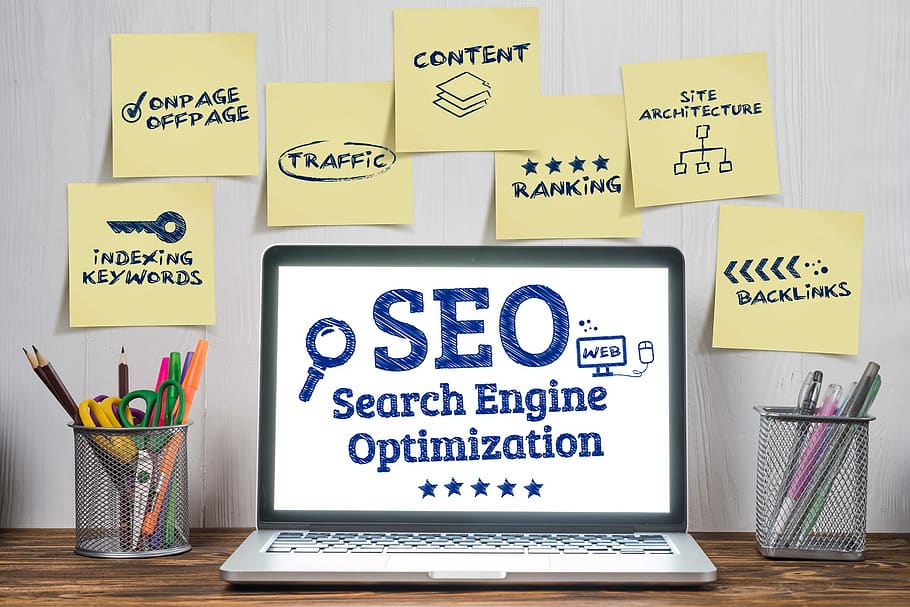
Earning external validation through high-quality backlinks.
A. The Importance of Backlinks
External votes of confidence in content.
-
Authority Transfer: A backlink (or inbound link) from one website to yours is treated by search engines as a powerful “vote of confidence,” signaling that the linked-to page is valuable, relevant, and authoritative.
-
Domain Authority: The strength and trustworthiness of the linking domain (Domain Authority or Domain Rating) is far more important than the sheer quantity of links; one link from a major news site is worth thousands of spammy directory links.
-
Anchor Text Relevance: The anchor text (the clickable text) of the link should be topically relevant to the linked page, helping search engines understand the subject matter.
B. The Link Building Process Today
Focusing on genuine relationships and unique content.
-
Resource Link Building: Create truly unique, exceptional content (original data studies, complex infographics, comprehensive toolkits) that naturally attracts links from industry peers and journalists (the “linkable asset”).
-
Broken Link Building: Identify relevant, authoritative websites that have broken links (404 errors) on their resource pages, and then suggest replacing that broken link with your superior, relevant content.
-
Unlinked Mentions: Search for mentions of your brand, product, or key personnel on other websites that do not currently link back to you, and politely request that the author turn the mention into a clickable hyperlink.
C. Link Audit and Detoxification
Removing harmful or manipulative link profiles.
-
Disavowing Spam: Regularly perform a link audit to identify and remove toxic, low-quality, or spammy links, which can negatively impact your site’s authority and trigger manual penalties.
-
Google Disavow Tool: Use the Google Disavow Tool to formally tell Google that you do not endorse or wish to be associated with specific toxic domains, protecting your site from negative SEO attacks.
-
Link Velocity: Monitor your link acquisition velocity; a sudden, unnatural spike in low-quality backlinks can signal manipulation attempts and may lead to ranking devaluation.
Pillar 4: Local SEO Domination (For Local Businesses)
Capturing the critical geographic search market.
A. Google Business Profile (GBP) Optimization
The single most important local ranking factor.
-
Profile Completeness: The Google Business Profile (formerly GMB) is the central hub for local SEO; ensure the profile is one hundred percent complete with accurate business hours, address, phone number, and a detailed description.
-
NAP Consistency: Maintain NAP (Name, Address, Phone number) consistency across all digital platforms (website, directories, social media), as discrepancies confuse search engines and damage local ranking signals.
-
Post and Review Management: Regularly post updates and respond promptly and professionally to all customer reviews (positive and negative) on the GBP, as reviews are a major local ranking and conversion factor.
B. Local Citations and Directories
Validating geographical relevance and authority.
-
Citation Building: Citations are mentions of your business name, address, and phone number on external websites (like Yelp, Yellow Pages, industry-specific directories); these validate your physical location.
-
Tiered Directories: Focus on securing listings in high-quality, authoritative national directories (Tier 1) and then relevant local or industry-specific directories (Tier 2) for maximum impact.
-
Data Aggregators: Ensure your information is correctly pushed to major local data aggregators (companies that supply business data to search engines and mapping services) for widespread, consistent data distribution.
C. Geographic Content Strategy
Targeting neighborhoods and service areas specifically.
-
Geo-Targeted Pages: Create specific, high-quality service or product pages that are explicitly optimized for the surrounding cities, neighborhoods, or service areas you operate in (e.g., “Best Electrician Services in Midtown Atlanta”).
-
Map Integration: Embed Google Maps directly onto your contact page and other relevant service pages, visually reinforcing your physical presence and location relevance to the search engine.
-
Local Schema: Implement Local Business Schema Markup on your homepage and contact page, explicitly providing your business type, address, phone number, and opening hours in a machine-readable format.
Pillar 5: Staying Ahead of Algorithm Updates
Adapting to the continuous evolution of Google’s ranking system.
A. Understanding Core Updates
The major, broad shifts in ranking criteria.
-
Broad Impact: Core Updates are major, significant changes to Google’s primary ranking algorithm that happen several times a year, often resulting in broad shifts in rankings across multiple industries.
-
Quality Focus: These updates typically aim to reward sites that demonstrate high E-E-A-T and deliver superior overall quality, while penalizing sites with thin, low-value, or poorly maintained content.
-
Post-Update Strategy: If hit by a Core Update, the strategy should not be quick fixes but a holistic commitment to improving content quality, relevance, and authority across the entire website.
B. Specialized Updates (Spam and Review)
Targeting specific types of poor practices.
-
Spam Updates: These updates are specifically designed to target manipulative SEO practices, such as keyword stuffing, link spamming, cloaking, and scraped content, leading to swift and direct ranking penalties for violators.
-
Product Review Updates: Specific updates are launched to assess and prioritize the quality of product review content, favoring reviews that demonstrate genuine, hands-on experience, unique insights, and comprehensive comparisons over generic, manufacturer-provided information.
-
Helpful Content System: This system is an ongoing, sitewide classifier that demotes content deemed to be primarily created for search engine ranking rather than genuinely helping or informing human users, emphasizing the user-first approach.
C. Future Trends and AI Integration
Preparing for the next generation of search.
-
AI Overviews/SGE: The integration of AI-generated summaries (Search Generative Experience or AI Overviews) into SERPs means SEO success is increasingly about being the definitive, authoritative source used by the AI to formulate its summary.
-
Semantic Search: Future SEO will be even more focused on semantic search—understanding the contextual meaning and relationship between concepts rather than just matching literal keywords—requiring even deeper topical expertise.
-
Voice Search Optimization: As voice commands become more prevalent, optimizing content to answer long-tail, conversational queries with direct, authoritative answers will become a crucial component of the content strategy.
Conclusion: The Relentless Pursuit of Quality

Achieving high organic rankings today is not the result of simple short-term tricks but the direct reward for the meticulous, relentless pursuit of providing the single most authoritative, high-quality, and user-centric experience available for a given search query.
The foundation of modern success rests squarely on technical SEO excellence, ensuring that the website is lightning-fast, perfectly mobile-responsive, and structured with a clear, logical site architecture that enables efficient crawling and confident indexing by search engine robots.
Content strategy must move past mere keyword density to master search intent, demonstrating true Experience, Expertise, Authoritativeness, and Trust (E-E-A-T) by building comprehensive, user-focused pillar pages that thoroughly cover entire topics and deliver definitive answers.
Off-page authority remains critical, requiring a strategic, ethical effort to earn high-quality, topically relevant backlinks from established, trustworthy domains, which serve as external votes of confidence in the overall quality and credibility of the content.
For businesses tied to a physical location, local SEO domination depends heavily on meticulous optimization of the Google Business Profile and achieving absolute Name, Address, Phone (NAP) consistency across a wide array of high-authority local citations and directories.
Ultimately, the best SEO secrets are simply adherence to the search engine’s golden rule: prioritize the user above all else, ensuring that every page adds genuine value, adheres to technical standards, and is structurally sound for the future of search.